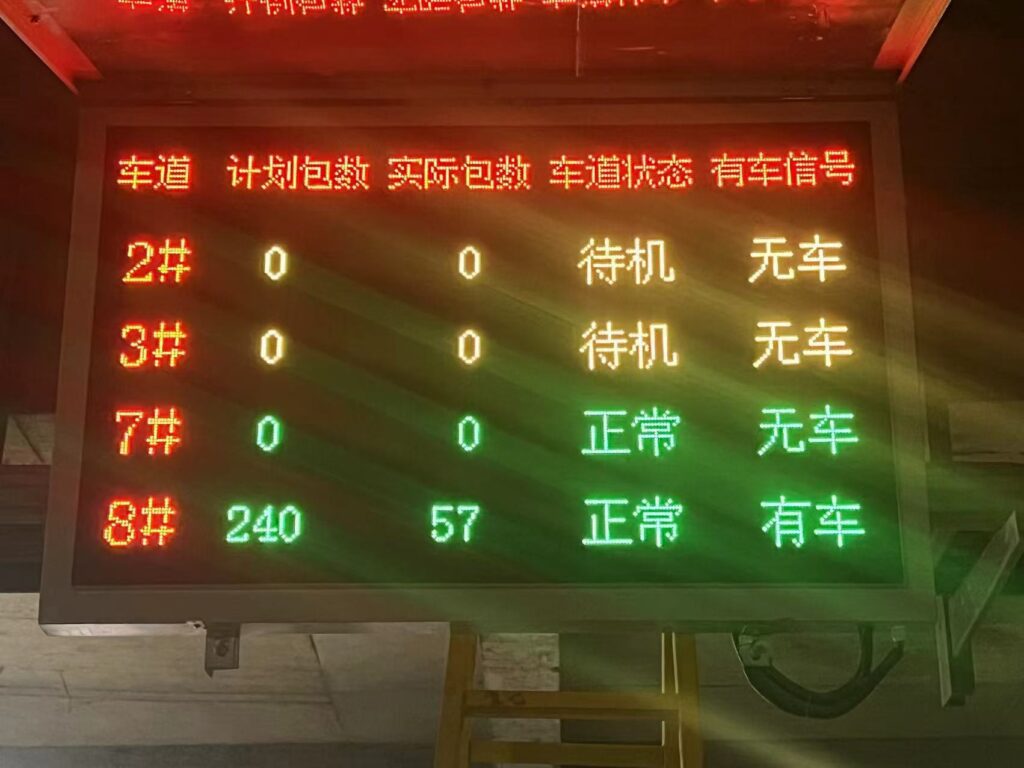
An Andon system is a visual management tool used in manufacturing environments to signal the status of a production line or process. The term “Andon” comes from the Japanese word for “lantern” or “light,” and it is commonly used in lean manufacturing and the Toyota Production System (TPS).
An Andon system typically includes a combination of lights, sounds, and display boards to communicate real-time information about the status of a machine, workstation, or production line.
Key features of an Andon system include:
1. Visual Signals: Lights (often green, yellow, and red) that indicate the operational status. Green usually means everything is functioning correctly, yellow indicates a potential issue or the need for attention, and red signals a problem that requires immediate action.
2. Audible Alerts: Sounds or alarms that draw attention to the status change, particularly when a problem arises.
3. Display Boards: Screens or boards that provide detailed information about the nature of the issue, the location of the problem, and the time since the issue was detected.
4. Employee Empowerment: Workers are often empowered to stop the production line by activating the Andon system when they detect a problem, ensuring that issues are addressed promptly to prevent defects and maintain quality.
5. Real-Time Monitoring: Continuous monitoring of the production process allows for quick response and resolution of issues, minimizing downtime and improving efficiency.
Andon systems are used to enhance communication, improve response times to problems, and foster a culture of continuous improvement by enabling quick identification and resolution of issues on the production floor.
Note: This article is sourced from the internet and AI.